Most tools that call themselves builders hand you a form: pick a genre, pick a character, pick a difficulty, press generate. DreamCore is not shaped like that. You say what you want in your own words, something playable comes back, and then you keep going — every message you send afterwards changes the game you already have.
Directing beats filling in settings
A dropdown can only offer what somebody thought of in advance. A sentence can ask for anything.
That difference shows up the moment your idea has a detail that isn't on anyone's menu. "The boss should get slower every time you hit it." "Make the second half take place underwater." "The cat should look annoyed when you lose." None of those are settings. All of them are things you can just say.
The trade-off is that you have to have an opinion. A builder like this rewards knowing what you want and being able to name it — how you move, how you win, what it should feel like. That's the same skill a director has and a form-filler doesn't, and it is the part of making a game that was always the interesting part anyway. The tedious parts — writing the code, drawing the art, wiring up the controls, making it run on a phone and a laptop — are the parts that get handled for you.
If you'd rather not face a blank box on the first go, there is a guided route with five short screens, and a photo route that puts a real person in the lead. But even those land you in the same place: a game, in a chat, that you carry on directing.
Why this isn't a template picker
Games here aren't assembled from a fixed shelf of genres. What comes back is written for the description you gave, in 2D or 3D, and if you don't say which, it picks whichever suits the idea.
There are ready-made routes when you want speed — SnapCade swaps the hero of a finished game for a photo of you, which is the fastest way from nothing to something playable. Make a character once from a few photos and it can appear in later games, in the look you chose. But none of those are ceilings. Anything you start from a template-like route opens in the same chat afterwards, and from there it stops resembling where it started as fast as you keep asking for changes.
The point of the distinction is honesty about what you own at the end. If everyone picks from the same twelve templates, everyone's game is one of twelve. If everyone describes their own, the shelf fills up with things nobody planned.
Building keeps going after the first version
The first version is a draft, and treating it as one is the whole technique.
Play it, find the thing that annoys you, say that one thing, play again. One request per message beats a list, because a list comes back with everything partly done. Version history holds the earlier drafts, so an experiment that goes wrong costs you a Restore and nothing else. You can bring your own images and sounds in and point at them directly, so a specific picture ends up in a specific place.
Publishing isn't the end of building either. A published game can be changed and published again. You choose the reach — link-only, everyone, or private — and you choose whether other people are allowed to remix it. If they are, someone can start a new game from yours and carry it somewhere you wouldn't have taken it, and the lineage of what came from what stays visible. That is the part that makes a builder feel less like software and more like a place.
Games built and rebuilt by their creators
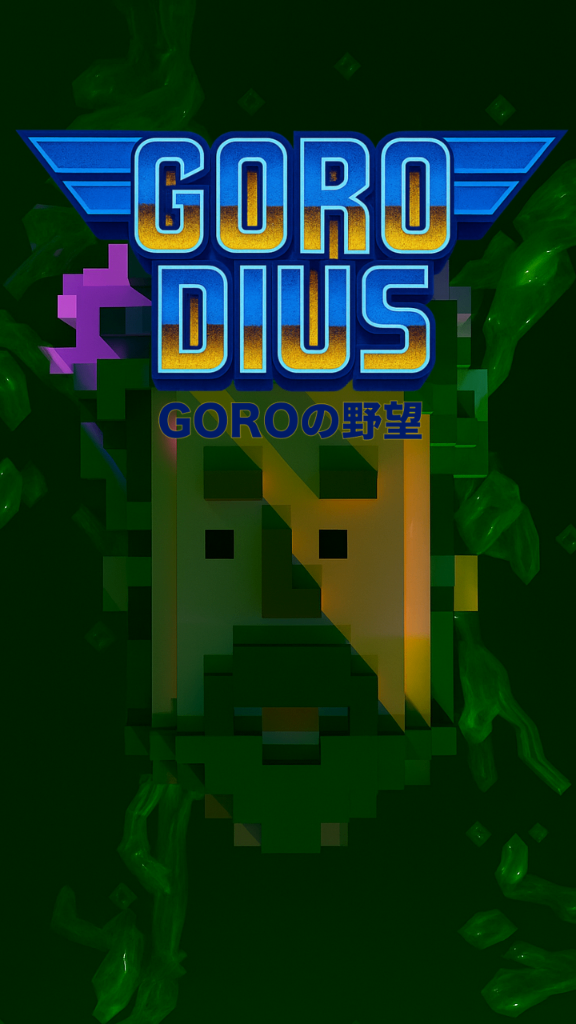
GORODIUS GORO’s Ambition
by MOKO
7,423 plays
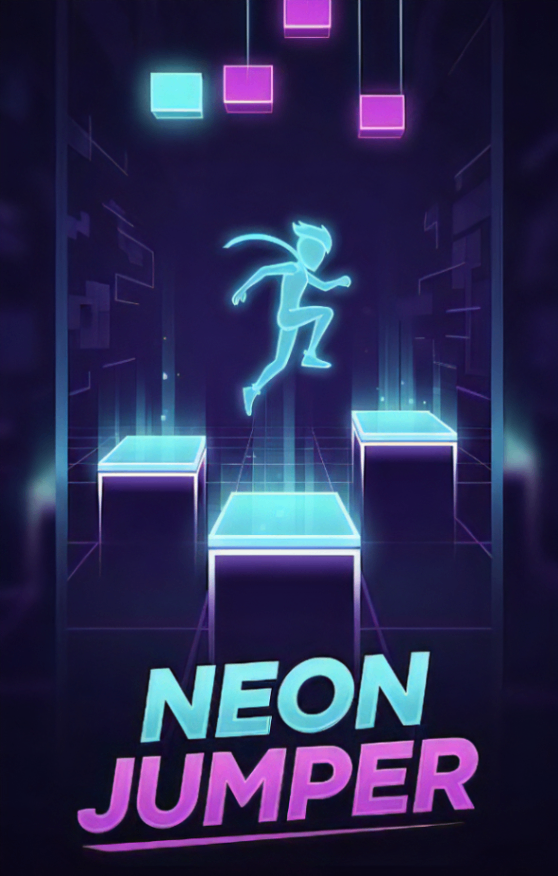
Neon Jumper
by ラミー
7,054 plays
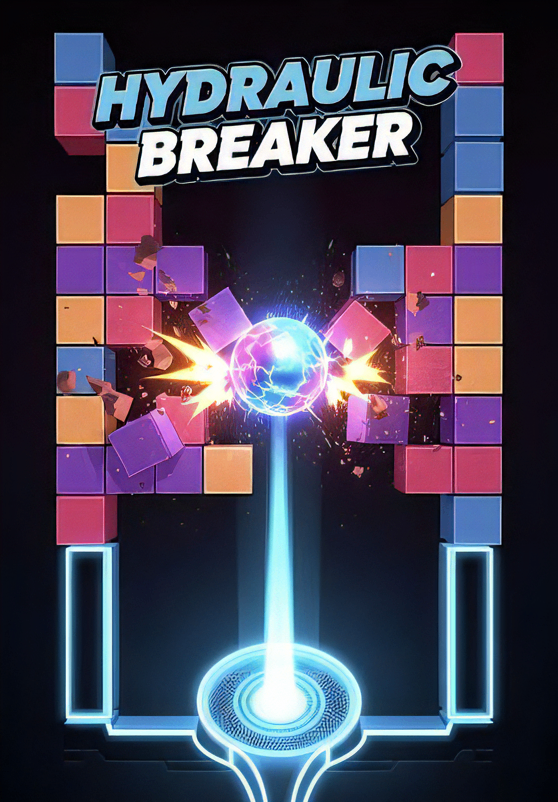
HYDRAULIC BREAKER
by ラミー
6,851 plays
Wire Art Combat
by gimu
6,157 plays
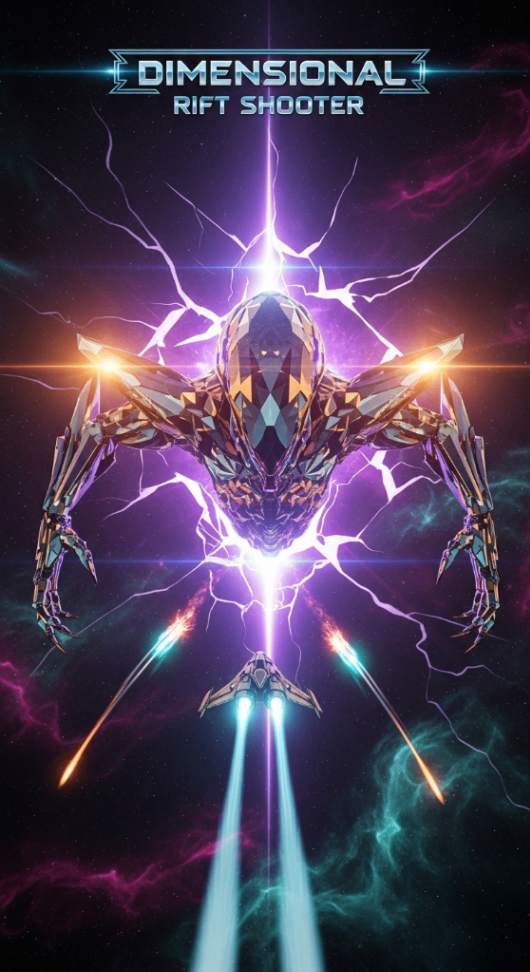
Dimensional Rift Shooter
by suemaru
5,410 plays
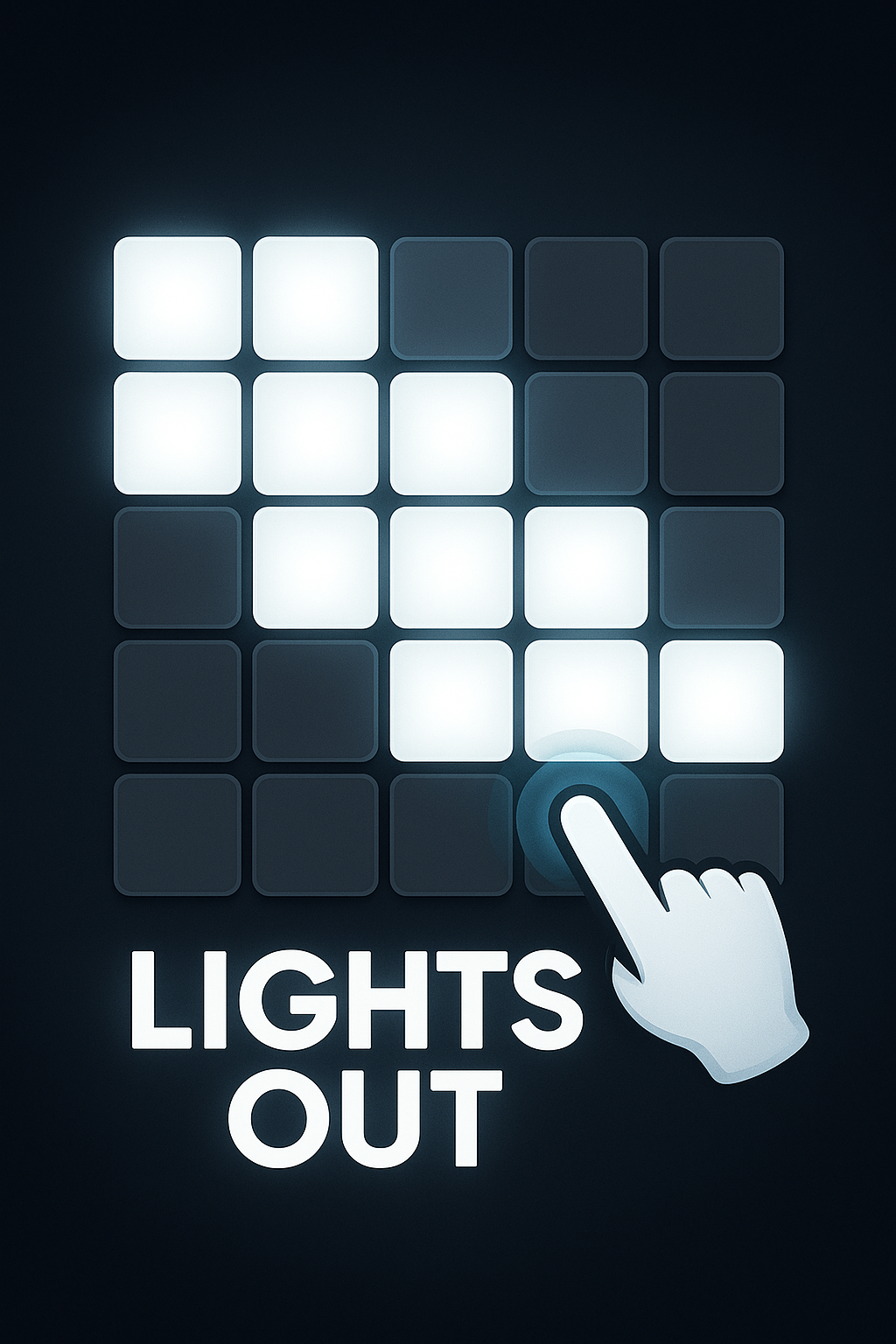
Light Out
by NullPosition
5,394 plays
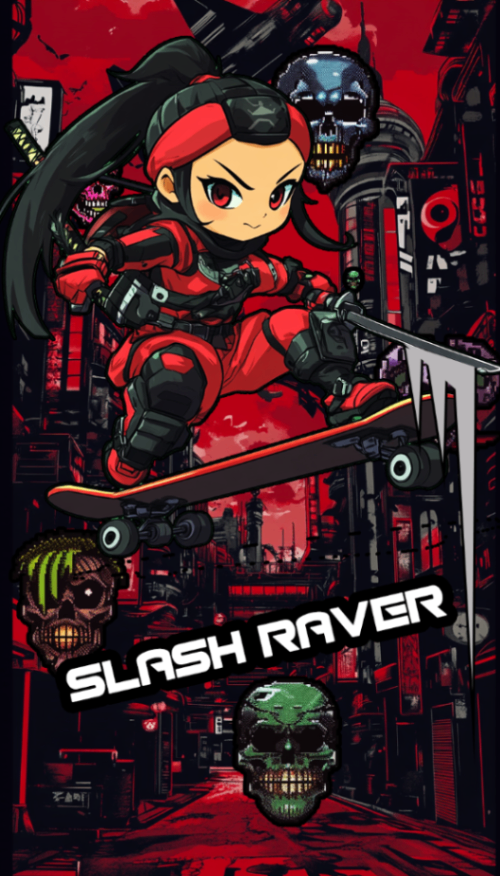
SLASH RAVER
by MISOSHITA GLITCHRAVE
5,316 plays
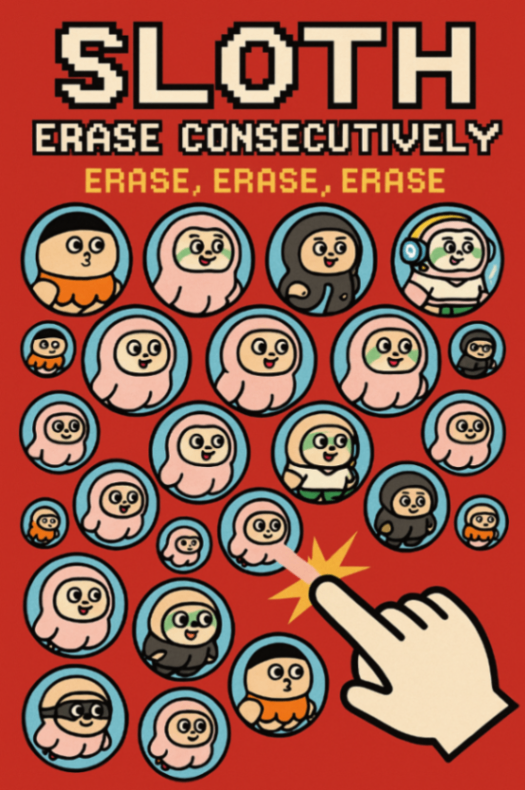
ROKESTA: Color Cascade
by k.u.n.i.sloth
5,272 plays
Frequently asked questions
What is the difference between an AI game builder and a game engine?
An engine gives you tools and expects you to build with them. A builder like this expects you to describe and judge instead — you direct, and the code, art and controls are handled for you.
Can I keep editing a game after I've already published it?
Yes. Publishing doesn't freeze anything. You can change a published game and publish it again, and the share link you already sent people keeps working.
Can I build on somebody else's game?
If they allowed remixing, yes — you can start a new game from theirs and take it your own way. Remixing is a switch each creator turns on for their own games.
Can I reuse the same character across several games?
You can. Make a character from a few photos, choose the look you want, and add it to games you build later from the chat.
Do I have to choose 2D or 3D myself?
Only if you care. There are buttons for both, and pressing neither lets DreamCore pick whichever fits what you described.
What if I want to start with nothing decided at all?
You can open an empty project and begin the conversation from there, with no idea, no photo and no genre chosen in advance.